VIDEO

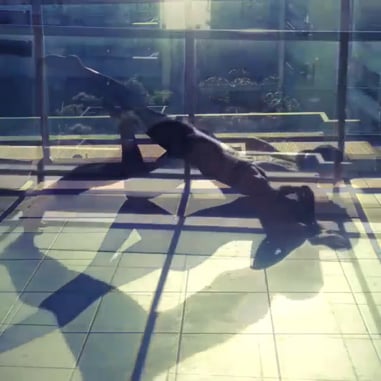
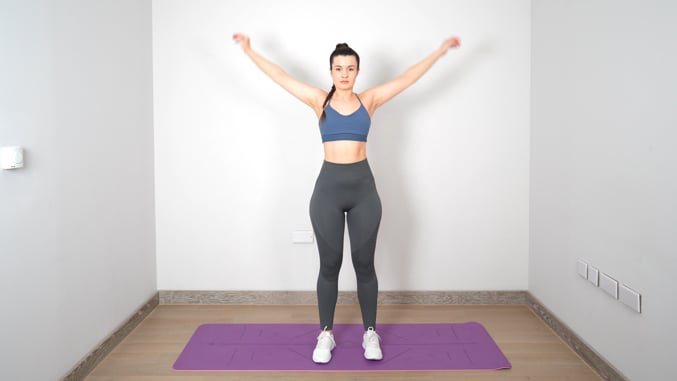
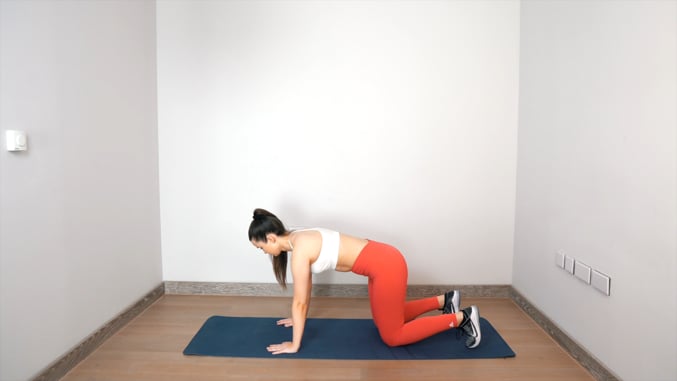
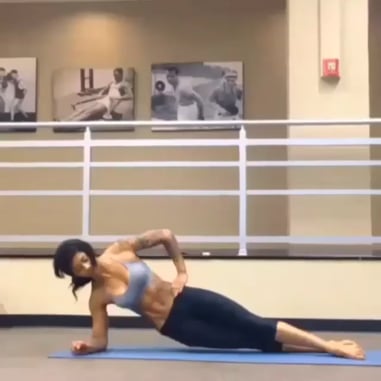
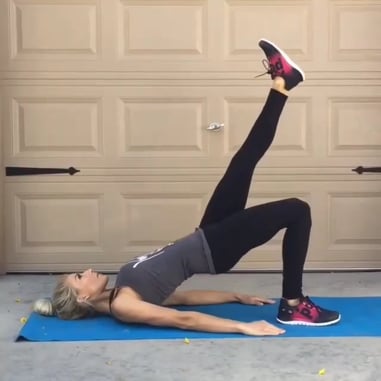
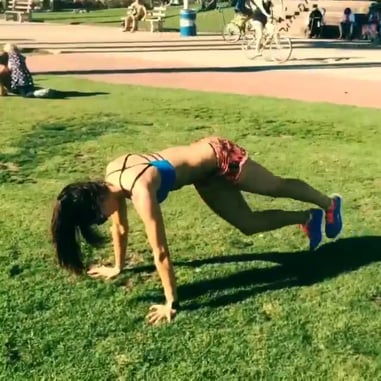
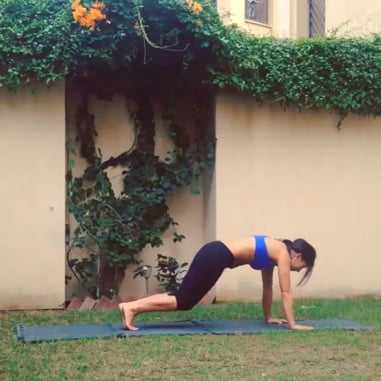
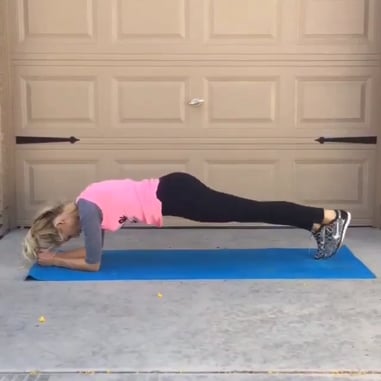
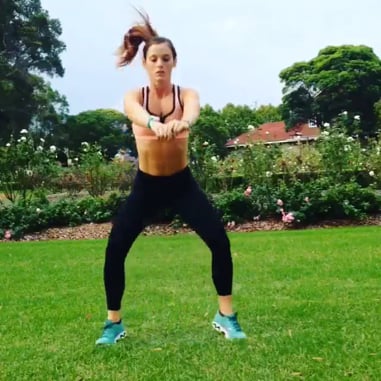
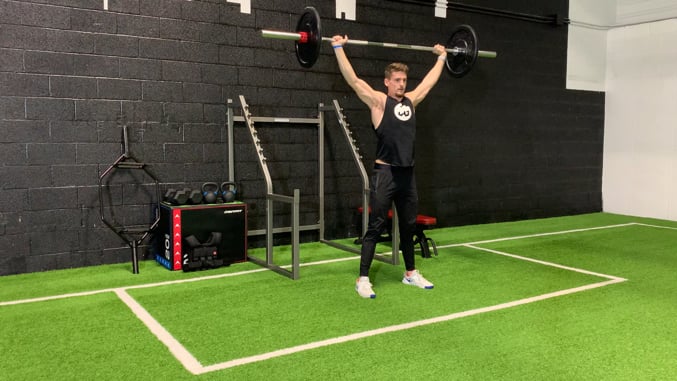
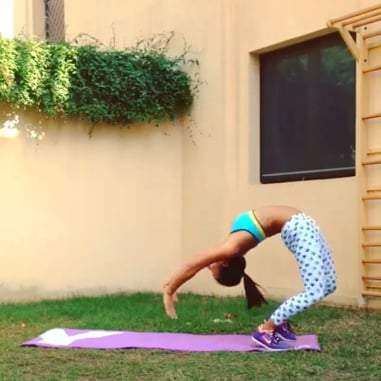
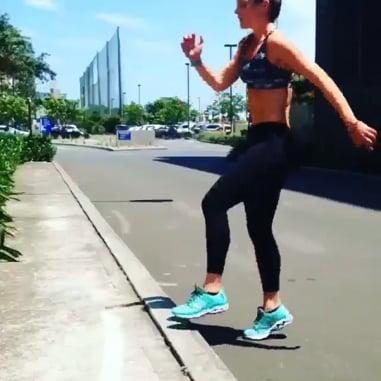
Knee Pushups Variation, Downward Facing Dog, Elbow Plank, Side Knee to Elbow Plank, Reverse Plank Leg Lifts
  • Core
  • Arms
  • Back
  • Legs
  • Biceps
  • Triceps
  • Trapezius
  • Hips
Level:Advanced
Trainer:
Equipment:Fitness Mat
Knee Pushups Variation, Downward Facing Dog, Elbow Plank, Side Knee to Elbow Plank, Reverse Plank Leg Lifts
  • Core
  • Arms
  • Back
  • Legs
  • Biceps
  • Triceps
  • Trapezius
  • Hips
Level:Advanced
Trainer:
Equipment:Fitness Mat

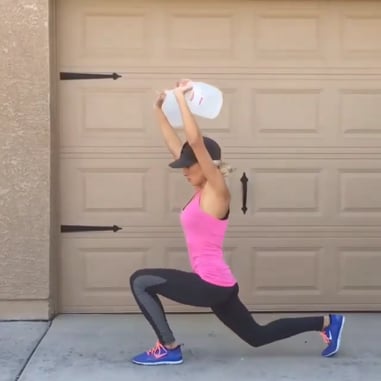
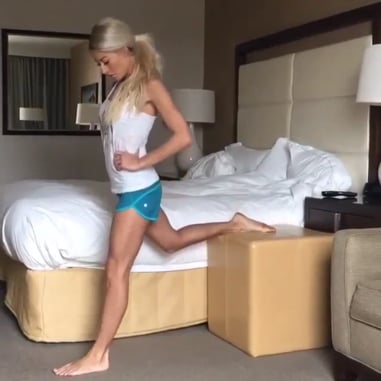
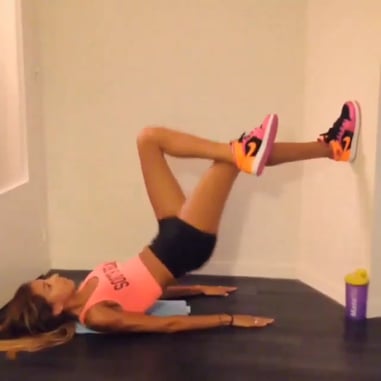
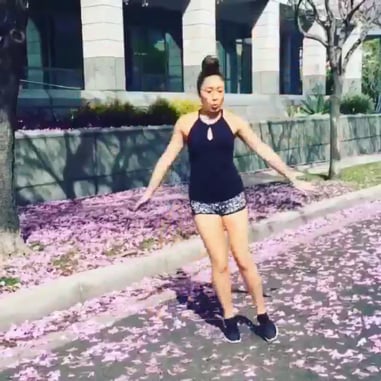
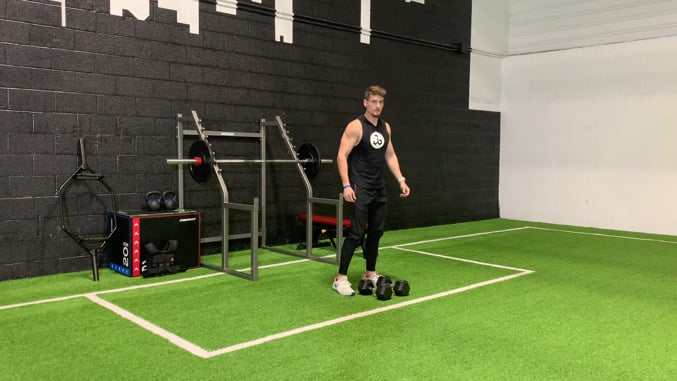
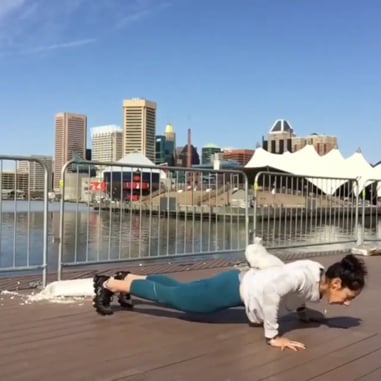
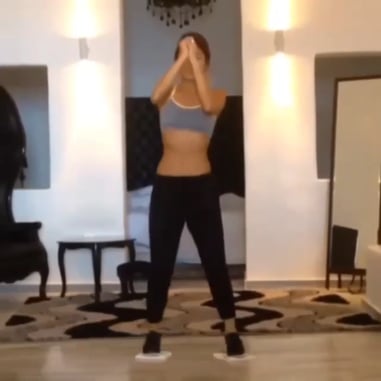
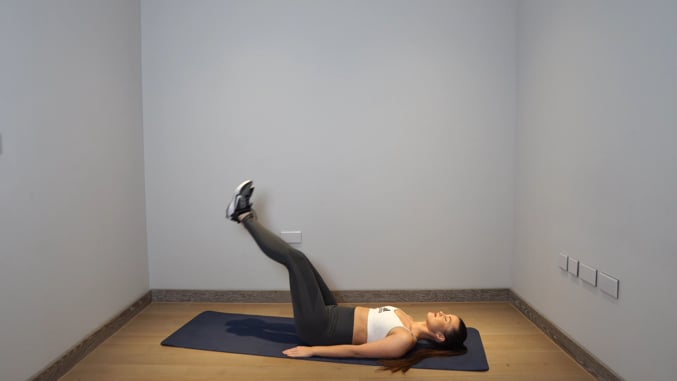
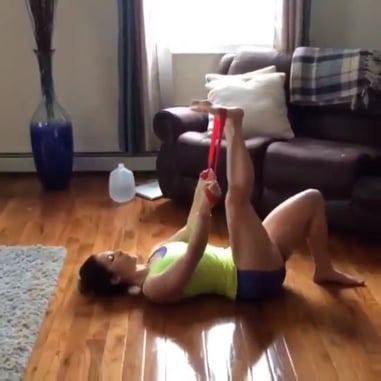
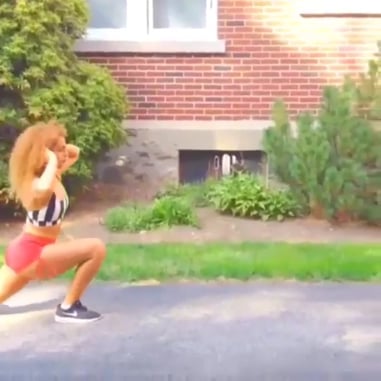
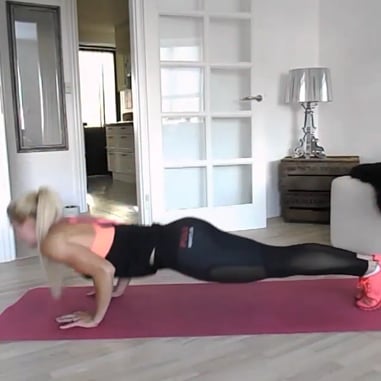
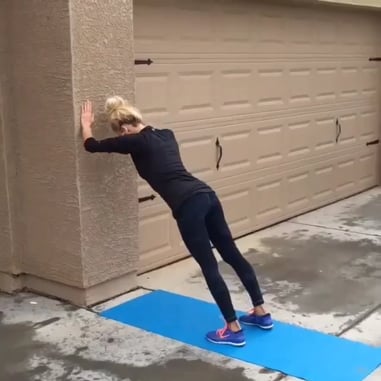
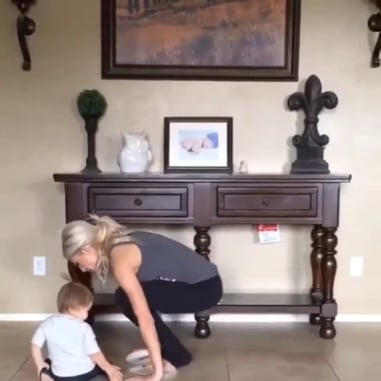
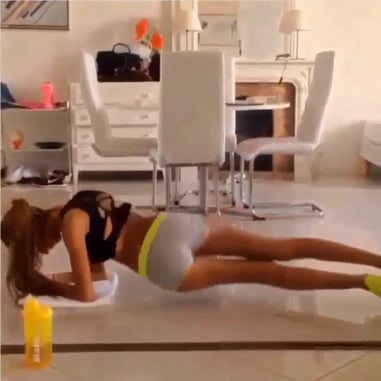
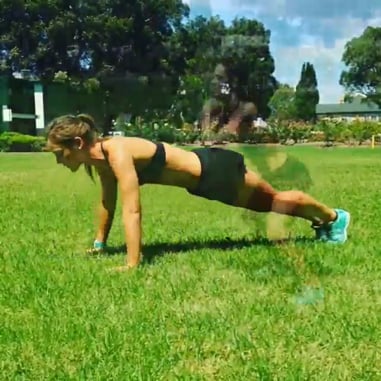
1.With your knees on the ground place your hands on the ground slightly wider than shoulder-width apart. Then complete a push-up and get back to the starting position. 2.Start from a high-plank position. Without moving your feet and hands, lift your hips up and back. Hold on this position for 1-3 minutes. 3.Lay face down on the mat. Rest your elbows on the floor and lift your feet to an elevated position (like an armchair, chair, or bench). 4.From a side plank position with your upper foot on the towel, begin bending it so that your knee touches your elbow. 5. Sit down on a mat with your legs extended and your hands behind your back so that fingers facing your body. Lift your right leg up and lowering it back down, lift your hips. Repeat the same actions with the opposite leg.

save to ...

Blog

Upper back muscles are extremely important for the right posture, yet many people completely forget about these muscles while working out, which is a big mistake. So why are these muscles so important, and how to train them? These are the questions we will attempt to answer in this article. What Is Upper Back? The muscles of the upper back consist of two main parts, which are the trapezius and latissimus muscles. Apart from that, many experts also involve the back bundles of deltas in the upper back muscle group since they are involved in most workouts for the upper back muscles. At the same time, referring to these muscles as a part of the upper back is incorrect from the anatomical point of view. The main function of the trapezius muscles is to provide the movement of the shoulder blades as well as make it possible to raise arms and lift objects. These muscles are also rather important for our posture as well as the ability to keep our back straight. At the same time, the latissimus muscles are located on both sides of the back. They resemble wings in shape and occupy almost the entire back area. These muscles are needed to pull the arms back as well as bring the shoulders to the body. Why Do I Need to Develop My Upper Back? So we have already figured out that the upper back muscles are responsible for the right posture as well as the ability to raise arms and lift objects, but who needs to work on their upper back? Well, a strong upper back is perhaps one of the main goals for everyone. In particular, among the people who need to work on their upper back are: Office workers who work all day at the desk Professional dancers and dance enthusiasts who need a strong back and perfect posture Athletes who actively involve the neck, shoulder, and back muscles while doing their sports activities Fitness enthusiasts and bodybuilders who strive to grow muscles and harmoniously develop all muscle groups People who want to have a nice posture So do you belong to any of these groups? We bet you do. So make sure to add at least a few upper back exercises into your workout routine. Best Exercises for Upper Back To wrap up, we would like to provide you with some useful workouts for your upper back, so without any further ado, here they come: Reverse fly Bent over barbell row Barbell high rows Single-arm dead stop row T-pulls TRX row Upright row Single-arm landmine row Y-pulls Face pull Seated row Hang clean Renegade row These simple exercises will help you develop your upper back muscles quickly and stress-free, so make sure to give them a try. Wrapping Up Developed upper back muscles are essential for the right posture as well as for avoiding injuries while doing other sports activities. So no matter if you are a professional athlete or not, you still need to work on these muscles.
Read more
The pectoralis major muscle is one of the most difficult muscles to train, but it can be trained. In this article, we will look at the pectoralis major muscle and how to train it. The development of the chest muscle is an indicator of how hard you are working on your body. This muscle group is one of the largest and most complex muscles in the human body. A good workout requires a combination of basic and isolation exercises. This is the only way to make your muscles perfect. Exercises with barbells are good for building muscle mass, while exercises with dumbbells and equipment are good for improving form and detail. It is not advisable to use very heavyweights in the beginning. It is much better to get a feel for the muscles needed when working the chest, arms, and shoulders. For example, classic push-ups from the floor will help you feel the pectoral muscles and understand how they work. For proper training, you should use different chest dumbbell exercises to work the muscles from different angles. Dumbbell Bench Press Place dumbbells next to your arms. Start by getting into the correct posture. Press the back of your neck, back, and pelvis against the bench. Press your heels to the floor and open your legs 60 degrees. Once you have learned this posture, sit down and take a dumbbell and place it on your lap. Lie down and pull the dumbbells up to your chest. Keep the dumbbells parallel, extending the arms at a slight angle to your elbows. Lower the weights gently and begin the chest exercise by moving your elbows up and down. When you feel your pectoral muscles stretch, return your arms to the position you started from. Hammer Start in the correct posture. Sit on the edge of the bench and place the dumbbells on knees. Lie down so that the back of your head, back, and buttocks are pressed firmly against the bench. At the same time, shift weight from your hips to your chest. Lift arms in front of you, maintaining a 90-degree angle. Place your palms so they face each other and bend your elbows slightly. Inhale when bending your arms and pulling the dumbbells toward your chest. As you exhale, relax the hips and focus on tensing your pectoral muscles. Repeat. It is important to concentrate on your pectoral muscles because the 'hammer' puts extra tension on your triceps. This exercise is performed slowly and requires a lot of concentration. This exercise is ideal for beginners or players recovering from chest, shoulder, or elbow injuries. Dumbbell Press Lie on a bench so that your neck, shoulders, and hips are in close contact with the surface of the chair. Make the feet close to the floor, holding a dumbbell in each hand at chest level, one hand on the other. Secure the dumbbells behind your head, concentrating on stretching your pectoral muscles. This only works the shoulders. Apply maximum tension on the lower amplitude and return the arms in the same trajectory. Since this dumbbell chest exercise is a supplemental exercise, it makes sense to mix it up with the basic exercises. It also stretches the pectoral muscles and helps to shape the chest. Make sure your head is supported in this position.If not, you may injure your neck muscles or cause nerve compression. Work with dumbbells smoothly and avoid sudden jerks or extreme weights. Also, remember that while warming up before a workout can help build endurance and recovery, it should not be relied upon exclusively. Proper sleep and nutrition are the most important factors in achieving gym results. Chest exercises can help improve your sense of security and overall health, so be sure to at least train these muscles.
Read more
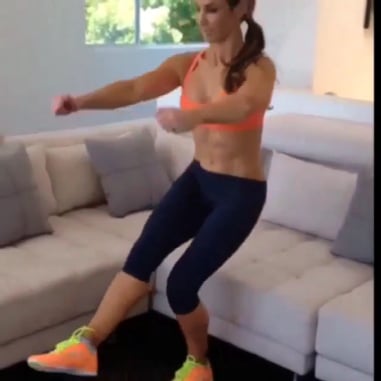
Many people mistakenly believe that developing shoulder muscles is not important. Well, obviously, it’s not true. So why is it important to work on the shoulder muscles and how to improve them is the topic of this article. What Are Shoulder Muscles? Shoulder muscles are basically the muscles that provide shoulder movement. These muscles are voluntary, meaning we control their work. The main functions of the shoulder muscles are the following: Holding the shoulder joint and its bones in place Allowing your shoulder joint to rotate Providing the ability to move your arms forward, up, and down Shoulder joint protection As you can see, these muscles are extremely important for performing basic things such as lifting objects or holding something. In addition to that, these muscles are rather important for certain sports that require lots of jerky movements in the shoulder area. For example, dancers, basketball players, tennis players, swimmers, and others. All in all, shoulder muscles do a lot of work, which is why we have to develop them. Why Do I Need to Work on My Shoulder Muscles? We have already partly answered this question above, but we’ll give you a more detailed answer just to make things clear. First of all, strong shoulder muscles are a must for many athletes, dancers, and fitness enthusiasts who actively involve arms and shoulders in their activities. The thing is, these muscles are rather fragile, and jerky movements can lead to an injury. At the same time, if one works on these muscles regularly, they significantly lower the risks of possible injuries. But what about people who are not professional dancers or athletes? Well, even if you are not a pro athlete, you still need to go to the gym at least a few times a week to maintain your health, and simple workouts can also cause an injury if you have weak shoulder muscles. So as you might have already understood that working on the shoulder muscles is a must for everyone. Exercises for Improving Shoulder Muscles So what workouts can you do to improve your shoulders? Well, why don’t you consider the following ones: Push-ups Barbell overhead press One-hand push-ups Half-kneeling landmine press Dumbbell shrugs Arnold press Sideways dumbbells Push press Barbell press Wide-grip seated row Final Thoughts Stronger muscles minimize the risks of having severe injuries while working out or even doing your regular chores. So no matter if you are a pro athlete or dancer or just a regular person, you should consider working on your shoulder muscles.
Read more
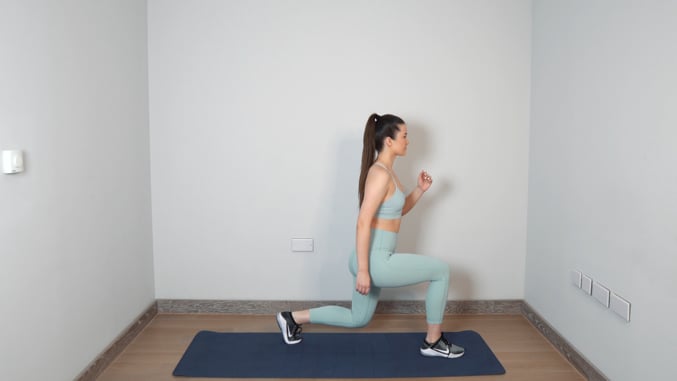
Sure, everyone familiar with running knows the importance of strengthening the foot and ankle ligaments. The other thing is that sometimes it's hard to spend 5-10 minutes preparing for ankle exercises: we get dressed, lace up our shoes and run down the street. This is unfortunate. After all, good elastic ligaments can reduce the risk of leg pain. And strong ankle muscles can improve lower back and even shoulder strength when you're running or just walking. Of course, there are plenty of good exercises to help you strengthen your ankles, so without further ado, let's take a look. Stretching Sit on the floor and straighten your leg in front of you. It's important to make sure your big toe, little toe, and heel stay in the same direction as you extend your foot. Only then the muscles will be strengthened and stretched in a balanced manner so that you don't walk and run with your foot falling out or in. While pulling your foot apart, stretch your toes as much as possible, as if you were lengthening them, without tucking them under your feet. Repeat 15 times. Rolling Pose From a seated position, place your feet in front of you and bring your feet as close to yourself as possible. Spread your knees and keep your feet together. Keeping your feet in this position, place your hands on the floor, bend your body forward and lift your pelvis off the floor and try to stay in this position for a while. If you feel your potential, you can roll to the left and to the right, touching your feet with the palms of your hands. Rising and falling Exercise It is traditionally recommended to do these on a ladder, but doing them slowly on a flat surface will give good results. Raise your toes as high as you can, keeping your heels in the air, then bend your knees so your heels are forward. Place your heel on the floor and then straighten your leg. It is very important to make sure your knees and ankles don't flip or drop. Dumbbell Squats Deep squats are good for developing the ankles, and when combined with dumbbells or barbells (if you have trained enough), this exercise is even more effective. Start with dumbbells that you can lift 15 times without dropping to the floor. 2-3 kg is suitable for beginners. Bodybuilders need to lift more weight to develop their leg muscles. Make a deep squat as follows: stand up straight with your feet shoulder-width apart, arms at your sides, holding a dumbbell, or if you are doing the exercise with a barbell, place it in front of your chest or behind your head. Sit down with your knees bent and your hips on the floor. Keeping your back straight, squat down until your thighs are parallel to the floor. Keep your knees straight over your feet at all times and do not extend your knees further than your toes. Return to the starting position. Perform 2 sets of 10-15 squats each. Lunges Keeping your torso straight and your shoulders back, step forward and sit until both knees are at a 90-degree angle. Your knees should not protrude over your toes. Do a series of two on each leg and repeat 10 times. Final Words Strengthening your ankles is crucial for professional and amateur athletes alike, so whether sports are your life or you're just exercising to stay healthy, in is necessary to work on your ankles.
Read more
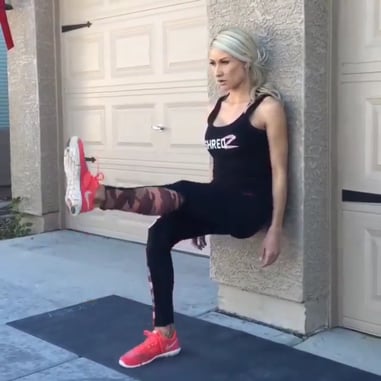
In the initial stages of training, while people focus on working the chest, arms, and back, the calf muscles are often neglected. As a result, exercises to strengthen the calves are delayed or rarely performed, resulting in a lack of progress. The calf muscles, like the deeper muscles of the back, get little rest during the day because they must support the weight of the body, help maintain balance, and stabilize the joints when walking. This means it is at a lower level of development and the approach to working with it should be different. Thus, we decided to share some exercises for strengthening your calves. Let’s check them out. Calf 45 Of all the exercises intended to develop the calf muscles, this exercise is one of the most challenging. It involves changing the angle of the legs, which involves not only the calves but also the soleus muscles. To perform this exercise, you will need the Gackenschmidt's Machine. Depending on the design, you will stand in front of it or not. Set an appropriate working weight. This is calculated as the arithmetic mean of the working weights from the previous two exercises. Then adjust the weights according to the load. Then lower the heel and stretch the calf as much as possible. Lift with the toes. Hold under extreme tension for 1-2 seconds. Dumbbell Calf Raises This exercise is designed for all levels of athletes and is considered a basic exercise to build calf muscles. Start with standing on a wooden block. You can do this in Smith by placing a step platform under your feet and placing a barbell on your shoulders. Hold your body in a straight position. If you need extra weight, you should take dumbbells or kettlebells. Next, lower your heels under the bar and stretch your ankles as much as possible. Stand up on your toes in a powerful impulsive movement. Hold this position for 1-2 seconds and pull your calves up. Slowly lower yourself back to the starting position. Squat Calf Raises This exercise is great for lazy workouts and will be a great option for beginners. Sit on the seat of the training machine. Place your toes on the support step. Bringing your heels down to the floor as far as possible, lower the lever with the soft stop to your knee and lock it. Leg Press Lie down on a leg press machine. Find a platform where your legs are straight. Fix the speed. You only need to do two movements. Removing the platform from your foot, squeeze it with your toes. Return your toes to their original position. It is important to know that posture has a much greater impact on the development of the shin and calf muscles than movement. Flat feet, if not taken into account and compensated for, can also prevent the shaping of the calves. To improve the calves without exercising, the selection of the proper footwear and a corrected gait is necessary. Well-trained calves will help you perform certain exercises better as well as make your legs look great. So take another look at these exercises and be sure to try them next time.
Read more